
In a world of excessive consumerism, the concept of sharing economy is gaining popularity in social, technological, and travel-related fields. Leveraging on market needs and interpersonal trust, international companies such as Airbnb and Uber claim to provide a niche online marketplace for hospitality and transportation. It is worth noting, that the concept of sharing economy is gradually spreading across the world. In particular, its influence reached Hong Kong.
Over the past decade, there appears to be common grumble around the increasing concentration of population in Hong Kong, and the surging costs of living in ‘Asia’s World City’. According to global academics and market researchers, the city is reportedly ranked as one of the fastest growing startup ecosystem. With the emergence of entrepreneurial culture here in Hong Kong, what are our budding business minds contributing to better allocate local resources? Examples of sharing economy startups include GoGoVan and Gaifong App.
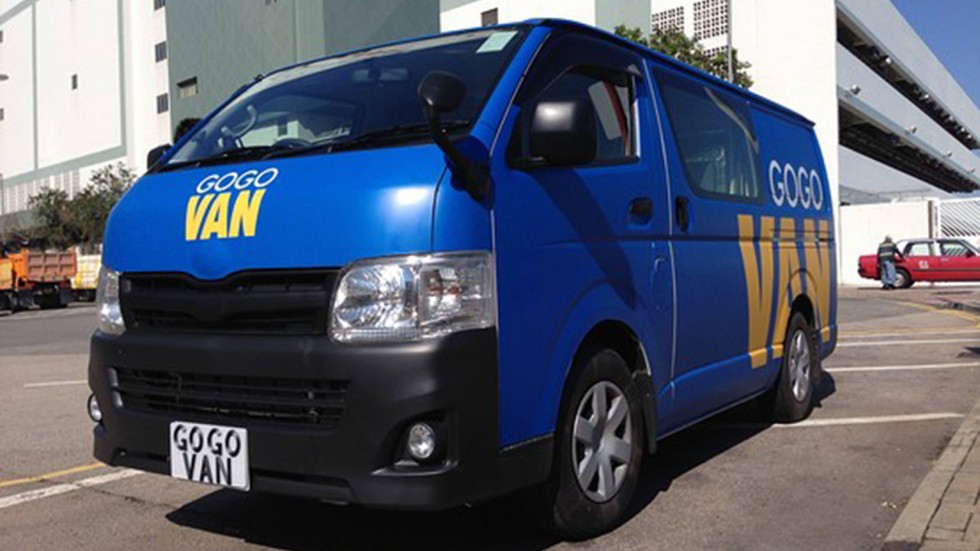
The founders of GoGoVan began as humble students who delivered lunchboxes after school. Through personal experience, they discovered a business opportunity beyond food delivery in the field of transportation. After months of focused effort and market research, GoGoVan is a recipient of the HKICT Award, and continues to bridge together freelance drivers and the community.
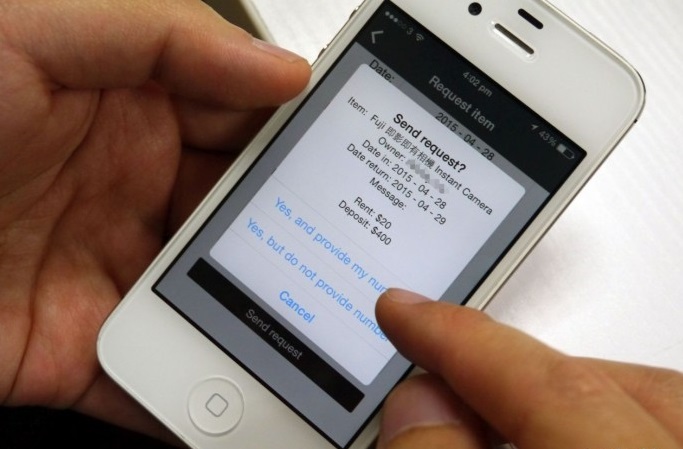
The name of Gaifong, meaning ‘neighbour’ in Cantonese, reflects the business model of the app. Prior to founding Gaifong, Elliot Leung was a researcher focused on sustainable development. Discontent with the mismanagement of consumer waste in Hong Kong, Elliot decided to build Gaifong – an online platform that allows neighbours to rent or borrow products directly from neighbours without blind consumption. As of today, the app’s reach expanded from a building to all 18 districts of Hong Kong.
Considering that possibilities for business growth seem limitless, perhaps sharing economy will transcend being only a concept, but become a mainstream way of life.
(Photo & Article: Imago Earth / CreatorMag.HK.)
 Geoffrey Cheng